Fotona Laser Treatments for Gentle but Effective Skin Improvement
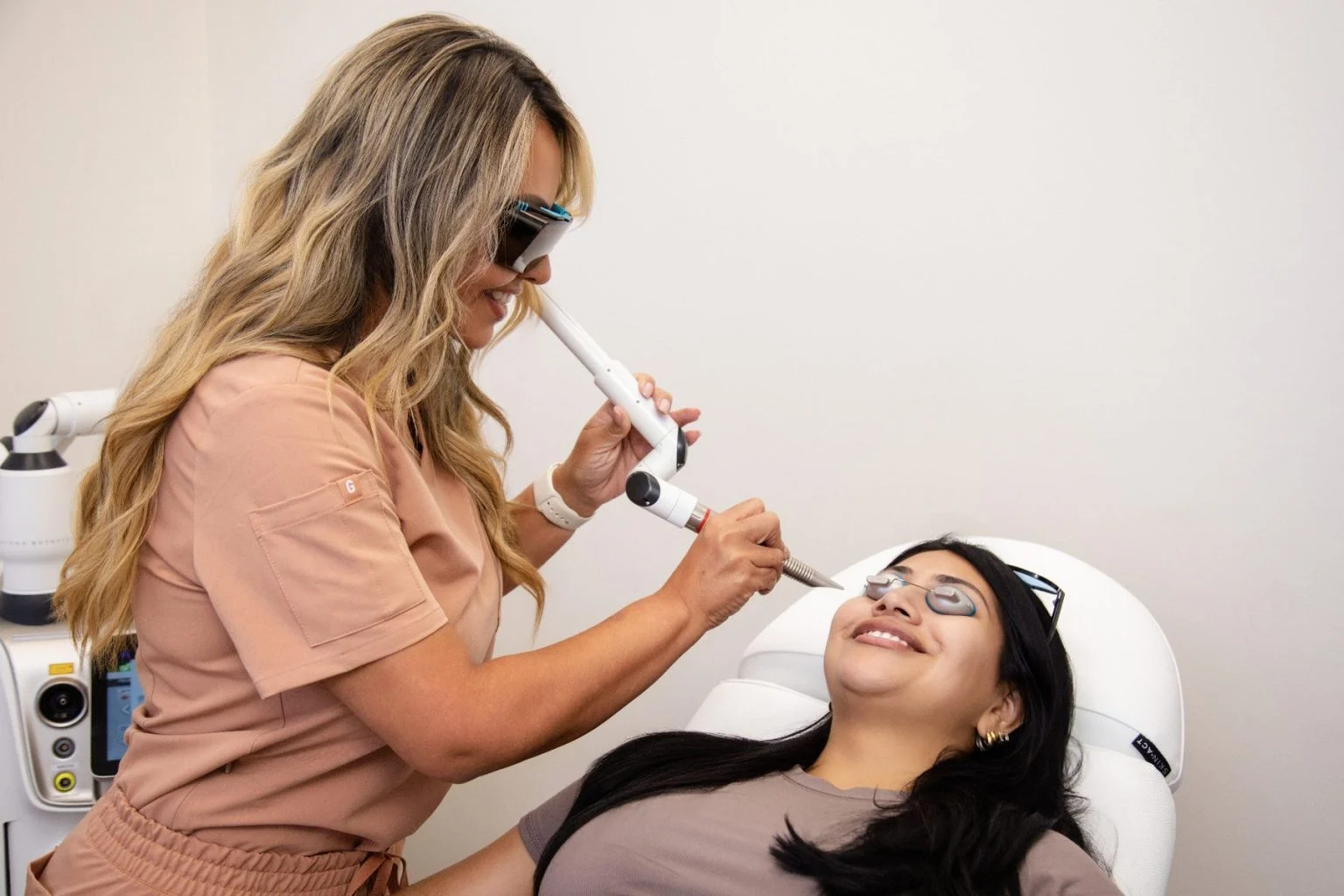
Skin rejuvenation sits in an awkward space for many patients. They want visible improvement, but they do not want to look overtreated, disappear from work for two weeks, or take on more risk than feels reasonable for concerns like fine lines, uneven texture, or mild laxity. That tension is exactly why Fotona Laser Treatments have gained such a loyal following in aesthetic practices. When used well, they can deliver meaningful change with a lighter touch than many people expect from laser technology.
That lighter touch matters. In clinic, the most common question is not whether a treatment can work. It is whether it can work without triggering the sort of recovery that disrupts real life. Patients often come in after hearing dramatic stories about older resurfacing lasers, prolonged redness, peeling, social downtime, or post inflammatory pigmentation. They want smoother skin and a fresher look, but they are cautious. Fotona platforms fit neatly into that middle ground because they offer flexible settings and multiple treatment approaches, from very gentle collagen stimulation to more intensive resurfacing when needed.
The phrase “gentle but effective” can sound like marketing if it is not explained properly. In practical terms, it means treatments can be tailored with enough precision to create controlled improvement while respecting the patient’s skin type, healing capacity, schedule, and tolerance for recovery. That is where Fotona tends to stand out. It is not one single laser in the way patients sometimes imagine. It is better understood as a versatile system with different wavelengths and modes that let practitioners adjust how deeply the energy works and what result they are targeting.
What Fotona actually is, and why that matters
Fotona is best known for laser systems that commonly use two wavelengths, Nd:YAG and Er:YAG. Each behaves differently in tissue. The Er:YAG wavelength is strongly absorbed by water, which makes it excellent for precise skin resurfacing and textural refinement. The Nd:YAG wavelength penetrates more deeply and is often used for collagen stimulation, vascular concerns, skin tightening, and deeper tissue effects.
That distinction is not just technical trivia. It shapes the treatment experience and the result. A patient with crepey under eye skin, early smile lines, and a roughened surface might benefit from a more superficial Er:YAG based approach. Someone bothered by laxity around the jawline or a tired look due to reduced firmness may be better served by a deeper heating protocol using Nd:YAG, sometimes combined with surface treatment. The ability to combine both in a thoughtful way gives experienced providers room to customize rather than squeeze every patient into the same protocol.
This is one reason consultations matter so much. A blanket promise that any laser will “rejuvenate” the skin is not enough. Rejuvenation can mean smoother texture, less visible pores, brighter tone, reduced redness, softer lines, tighter skin, or some combination of these. Fotona can address several of these goals, but the treatment plan must match the actual problem. A patient concerned about acne scarring needs a different conversation than one concerned about perioral lines or laxity of the lower face.
The appeal of a gentler approach
Not everyone needs aggressive resurfacing. In fact, many people are better served by treatments that build results gradually. Skin quality often improves most naturally when collagen stimulation happens over time and the surface is refined without stripping away too much tissue at once.
That gradual approach can be especially useful for patients in their thirties, forties, and fifties who are not trying to reverse severe sun damage, but do want to stay ahead of visible aging. They usually describe their goals in quiet terms. They want to look better rested. They want makeup to sit more smoothly. They want the skin around the mouth or eyes to look less etched. They want compliments on their appearance, not questions about what procedure they had done.
Fotona Laser Treatments are often well suited to those goals because they can be stacked in a way that enhances skin quality without forcing a dramatic reset. A patient may notice a fresher texture after the first session, then a gradual improvement in tone, firmness, and fine lines over the following weeks. That pace feels manageable for many people. It also tends to produce a more believable result.
Gentle does not mean weak. It means controlled. The best outcomes often come from selecting the lowest intensity that will still move the skin in the right direction, then repeating strategically. Overtreatment can create unnecessary inflammation, prolonged redness, or pigment issues, especially in reactive skin or deeper skin tones. Experienced laser work is often less about pushing harder and more about choosing the right depth, pulse, endpoint, and interval.
Common concerns Fotona treatments can help improve
A broad range of skin issues can be treated with Fotona technology, but some are especially well suited to its strengths. Fine lines around the eyes and mouth respond nicely when the treatment includes precise superficial resurfacing and collagen stimulation. Rough texture and enlarged pores can also improve, particularly in patients whose skin has become uneven from cumulative sun exposure or past breakouts.
Mild to moderate laxity is another common reason patients explore this option. It is important to be realistic here. Lasers can help tighten skin, but they do not replace surgical lifting when there is significant sagging. Where Fotona shines is in the early to moderate range, when the skin has started to lose firmness but still has the capacity to respond well to heat based collagen remodeling.
Acne scars can improve too, especially shallower boxcar scars and generalized textural irregularity. Deep ice pick scars or heavily tethered scars may need a combination approach that includes subcision, microneedling, or other techniques. This is a good example of where honest treatment planning matters. A laser can do a great deal, but it is not the right answer to every scar pattern.
Some protocols are also used around delicate areas that patients hesitate to treat. The under eye region, perioral skin, neck, and even selected body areas can often be addressed with careful parameter choices. These areas show age early and can be difficult to treat with injectables alone. Laser based skin improvement has a useful role there because it works on the skin itself rather than simply filling beneath it.
The well known “4D” concept, without the hype
Many patients encounter terms like “Fotona 4D” while researching options. The branding can make it sound more mysterious than it really is. At its core, it refers to a multi step treatment strategy that addresses the skin from different angles and depths. One step may target deeper collagen support, another may focus on volume contraction, another on surface refinement, and another on final polishing.
The concept has practical merit. Aging does not happen on one plane. Skin loses elasticity, texture changes, pores become more obvious, and fine lines appear. A layered treatment can make sense because it reflects the way aging actually shows up. Where some clinics go wrong is presenting it as a miracle. It is more accurate to call it a smart combination treatment that may offer a more comprehensive result than a single pass with one setting.
In real practice, not every patient needs every component. A younger patient with early signs of aging may do beautifully with the gentlest version. A patient with more sun damage and established lines may need a stronger resurfacing component or several sessions. There is no virtue in using a branded package if a simpler protocol suits the skin better.
What treatment feels like
This is usually where curiosity becomes more personal. Most patients want a plain answer. Does it hurt?
The honest answer is that comfort varies with the treatment mode. Gentle tightening or collagen stimulation sessions often feel warm, prickly, and very tolerable. Stronger resurfacing work with Er:YAG can produce more heat and sting, though topical numbing usually helps a great deal. The sensation is often less dramatic than patients fear, especially when the provider talks them through what to expect and adjusts pacing sensibly.
After treatment, the skin can feel warm, tight, and slightly sunburned. Some protocols leave only mild redness for a day or two. Others create visible bronzing, roughness, or pinpoint crusting for several days. More intensive resurfacing may involve swelling and a more obvious recovery period. This range is worth emphasizing because “Fotona” does not refer to a single experience. The treatment settings determine the downtime.
Patients who do best are usually the ones who understand this upfront. If someone books a laser two days before an important event under the assumption that all non surgical treatments are lunch break friendly, disappointment is almost guaranteed. Matching treatment intensity to the calendar is part of good planning.
Downtime, healing, and what you can reasonably expect
Healing depends on the depth and purpose of the session. A mild rejuvenation treatment may lead to pinkness for 24 to 48 hours and a subtle sandpapery feel as the skin renews. A more active resurfacing session can mean three to seven days of visible recovery, sometimes a bit longer in sensitive skin. Neck skin often heals more slowly than facial skin, and the chest can be slower still.
One of the https://blogfreely.net/godiedshnb/everything-to-consider-before-starting-fotona-laser-treatments most useful distinctions to make during consultation is the difference between social downtime and biological healing. A patient may be able to return to work quickly with some residual redness and a good tinted sunscreen, but that does not mean the skin has finished remodeling. Collagen change unfolds over weeks to months. This matters because some people judge the result too early. They focus on the first few days and miss the steady improvement that follows.
Results are rarely best after a single treatment unless the concern is mild and the protocol is carefully chosen. More often, patients see a progression. Texture starts to look cleaner. The skin reflects light more evenly. Fine lines soften. Firmness improves in stages. That pattern can be reassuring if it is framed properly. Incremental change is often more sustainable and more natural than a sharp one time intervention.
Where Fotona fits compared with other laser and energy options
Every device category has its place. Fractional ablative lasers may create stronger resurfacing in one session, but they often bring more downtime. Non ablative fractional lasers can help with tone and mild texture with relatively manageable recovery, though multiple sessions are common. Radiofrequency microneedling is useful for texture, pores, and mild laxity, especially in some scar cases. Ultrasound and monopolar radiofrequency tend to focus more on deeper tissue tightening than surface refinement.
Fotona sits in an appealing middle lane because it can span several of these goals. It can act gently when the patient wants low downtime, and it can be pushed further when stronger resurfacing is appropriate. That flexibility is valuable in busy clinical practice because no two faces age in the same way.
Still, flexibility should not be mistaken for universal superiority. A patient with severe pigmentation issues may need a pigment focused approach first. A patient with advanced jowling may be better off discussing surgery than chasing modest tightening with repeated energy treatments. Good device selection always starts with the problem, not the machine.
Who tends to be a strong candidate
The best candidates are often patients with mild to moderate skin aging, realistic expectations, and a willingness to follow aftercare. They understand that skin improvement is a process, not a trick. They also appreciate subtlety. If a person wants dramatic lifting from one session, disappointment is likely no matter how elegant the technology.
Candidacy also depends on skin type, medical history, recent sun exposure, medication use, and whether there is a tendency toward post inflammatory hyperpigmentation or poor wound healing. Deeper skin tones can absolutely be treated, but that requires caution, thoughtful settings, and a provider with relevant experience. The safest plan is not always the strongest one.
Pregnancy, active infection, certain photosensitizing medications, and some inflammatory skin conditions may delay treatment. A history of cold sores is important too, especially for perioral resurfacing, because antiviral prophylaxis may be appropriate.
A practical consultation often covers these points:
- What specifically bothers you, texture, lines, redness, pores, laxity, or scars.
- How much downtime you can realistically tolerate.
- Whether your goal is maintenance, correction, or a combination of both.
- How your skin has reacted to prior treatments, including peels, lasers, or retinoids.
- What result would feel successful to you after three months, not just after three days.
Those questions sound simple, but they prevent a lot of mismatched expectations.
The importance of aftercare
Laser outcomes are shaped as much by recovery habits as by the treatment itself. Freshly treated skin is more vulnerable to irritation, dehydration, and pigment change. Patients who continue strong exfoliants too quickly or underestimate sun avoidance often extend their redness and compromise their results.
A conservative aftercare routine usually serves patients best. Gentle cleansing, bland moisturizer, sun protection, and patience do more than a crowded shelf of active ingredients in the first several days. Once the skin barrier has settled, a practitioner may reintroduce a broader maintenance plan, often including retinoids, antioxidants, and pigment control if needed.
This is one place where lived experience matters. Patients often assume they should “help” the peeling process along or treat temporary roughness aggressively. That is rarely wise. Skin that is remodeling responds better to steadiness than interference.
What subtle improvement really looks like
Subtle improvement is sometimes underrated because it photographs less dramatically than swelling or immediate post procedure tightness. Yet in person, subtle improvement is often exactly what patients value most. Their skin looks calmer. The texture at the sides of the cheeks appears smoother. Fine makeup sits better around the eyes. The upper lip shows fewer little lines when lipstick is applied. The face catches light in a more even way.
Those changes can be hard to quantify in a single number, which is why before and after photography matters. Patients often forget their starting point after a few months. A baseline image under consistent lighting tells a more honest story. It also helps distinguish between true treatment effect and the emotional distortion that sometimes comes with staring in the mirror every morning.
There is also a psychological advantage to gentle, cumulative improvement. Patients stay engaged with good skin habits because the result feels maintainable. They are more likely to wear sunscreen, use prescription topicals consistently, and schedule sensible maintenance when treatment does not feel like a dramatic all or nothing event.
Cost, value, and the question patients usually ask last
The price of Fotona Laser Treatments varies widely by region, provider expertise, treatment intensity, and whether the session targets a small area or the full face and neck. There is no universal price worth quoting without context. What matters more is value. A lower price is not a better deal if it buys inexperienced hands, rushed assessment, or unsuitable settings.
Patients sometimes compare a laser quote with the cost of a facial and wonder why there is such a gap. The answer lies in what is being changed. A laser treatment is not merely a surface refresh. It is a controlled medical procedure intended to stimulate structural skin change. That requires training, maintenance of expensive equipment, careful protocols, and proper follow up.
That said, value also means restraint. Not every patient needs a large package of sessions. Some do well with a focused series and then maintenance once or twice a year. Others may benefit more from combining one laser treatment with a thoughtful skincare plan rather than repeating procedures too frequently. The most credible providers are usually the ones who recommend less when less is enough.
Limits worth understanding before you book
It is tempting to look for one treatment that covers every complaint. Skin does not work that way. Fotona can improve quality, texture, and mild laxity, but it cannot fully erase deep static wrinkles, recreate lost facial fat, or replace a surgical lift. It can help acne scarring, but some scar types need mechanical release or multiple modalities. It can brighten and smooth, but melasma often requires special caution because heat can worsen it in some cases.
The better way to think about this technology is as a versatile tool within a larger skin strategy. For the right patient, at the right settings, delivered by a skilled provider, it can create elegant improvement with a downtime profile many people find acceptable. That combination is not trivial. It is the reason so many patients return for maintenance rather than treating laser care as a one time experiment.
Choosing the provider matters as much as the platform
A good platform in inexperienced hands can still produce mediocre results. Laser medicine is full of nuance. The operator has to read the skin, choose endpoints, adjust for area specific sensitivity, and know when not to treat. That judgment becomes even more important in patients with recent tanning, compromised barriers, rosacea tendency, or previous adverse reactions.
When patients ask what to look for, the answer is not just credentials on paper. It is also whether the consultation feels individualized, whether the provider explains trade offs clearly, and whether the promised result sounds proportionate to the skin concern. Overselling is a warning sign. So is a one size fits all package.
A measured consultation often sounds less exciting than a sales pitch, but it is usually the safer path. The best aesthetic outcomes are built on honesty, not exaggeration.
A realistic place for Fotona in modern skin rejuvenation
There is a reason Fotona Laser Treatments continue to attract interest from both patients and clinicians. They offer a thoughtful blend of flexibility, efficacy, and control. For people who want genuine skin improvement without automatically stepping into the most aggressive end of the laser spectrum, they occupy a very sensible middle ground.
Used strategically, they can soften early lines, improve texture, refine pores, support collagen, and restore some of the freshness that fading elasticity and sun exposure gradually take away. The changes are often quiet, but quiet can be powerful. Most patients are not trying to become unrecognizable. They are trying to look like themselves on a very good day, more often.
That is where this technology tends to earn its reputation. Not by chasing extremes, but by improving skin in a way that respects both biology and real life.
OMNIA Wellness Center
Address: 16430 Ventura Blvd Ste 207, Encino, CA 91436
Phone number: +18183868511
FAQ About Fotona Laser Treatments
What is a Fotona laser good for?
A Fotona Laser system is a versatile, dual-wavelength medical laser used primarily for non-surgical skin tightening, anti-aging rejuvenation, and dermatological treatments.
How much does the Fotona laser cost?
The cost of a Fotona laser depends heavily on whether you are looking to purchase a laser machine for a medical practice or are a patient seeking a laser treatment at a medspa.
Is a Fotona laser worth it?
A Fotona laser treatment is generally worth it if you want non-surgical skin tightening, improved texture, and collagen stimulation with very little downtime.