How to Choose the Right Clinic for Fotona Laser Treatments
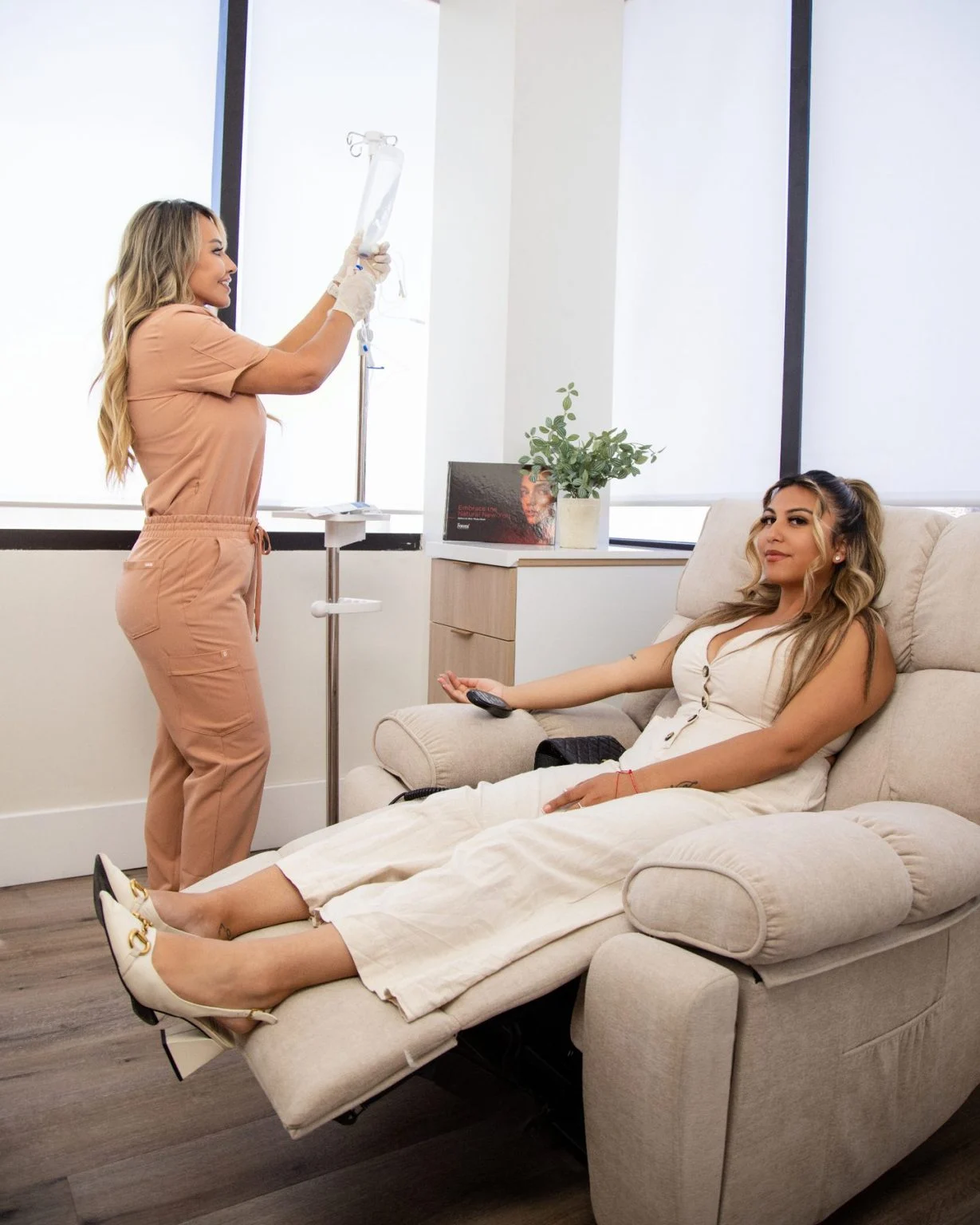
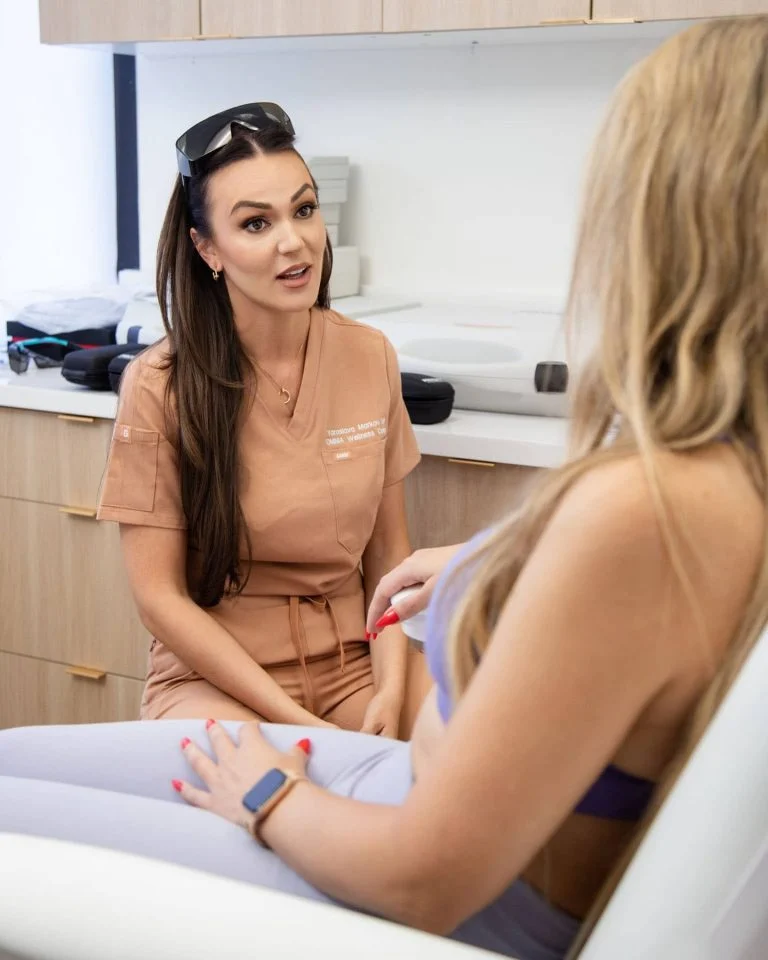
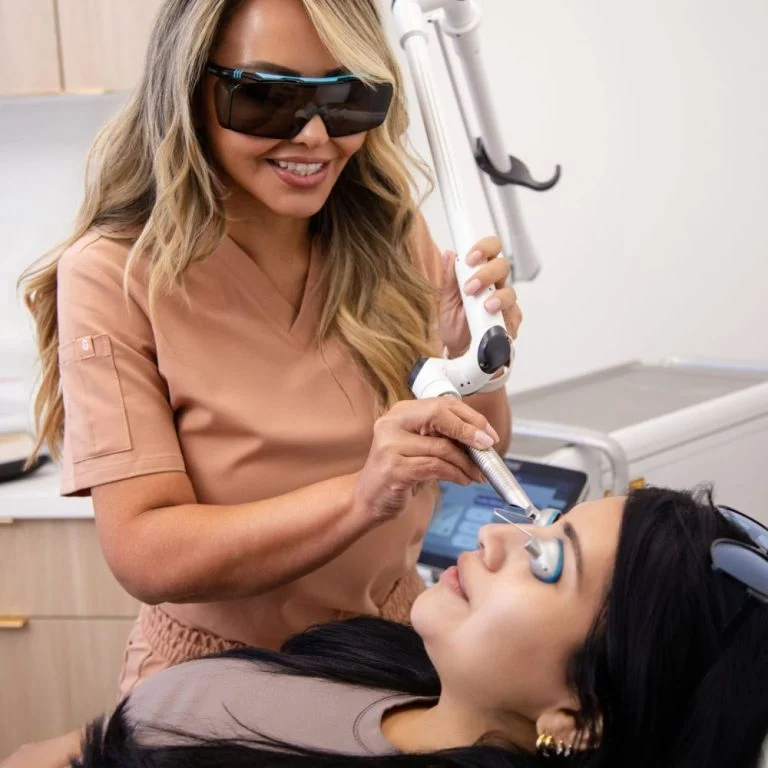
Choosing a clinic for Fotona Laser Treatments is not like booking a facial or trying a new gym. The machine matters, but the person using it matters more. The clinic’s judgment, protocols, and follow-up culture matter just as much. Patients often focus on price first, then before-and-after photos, then convenience. In practice, the safest and most satisfying outcomes usually come from asking better questions earlier.
That is especially true with Fotona systems because they are versatile. A clinic may use them for skin rejuvenation, acne scarring, vascular concerns, pigmentation issues, snoring treatments, vaginal health, hair restoration support, and tightening procedures. That flexibility is a strength, but it also creates room for confusion. Two clinics can both advertise Fotona Laser Treatments and deliver very different experiences, with very different standards of assessment and very different results.
I have seen patients walk into consultations believing all laser providers are essentially interchangeable. After a few minutes of discussion, it becomes obvious they have been comparing treatments based on brand names alone. A Fotona platform in untrained or overly aggressive hands can produce disappointment, unnecessary downtime, or avoidable complications. The same device, used by a clinician who understands skin biology, laser settings, treatment intervals, and patient selection, can be a genuinely excellent option.
The clinic matters as much as the laser
A good clinic does not simply own a reputable device. It knows when to use it, when not to use it, and how to tailor treatment to the person sitting in the chair. That sounds obvious, yet many patients are still pushed toward the machine a clinic happens to own, rather than the treatment that best suits the condition.
This is one of the first signs to watch for. If every concern somehow leads to the same recommendation, caution is warranted. Thoughtful providers usually talk in terms of options, trade-offs, expected downtime, number of sessions, and realistic improvements. They do not present laser as magic. They present it as a tool.
Fotona devices are often valued because they can work at different depths and with different modes, depending on the indication. That can be excellent for customized care, especially for concerns like acne scars or age-related laxity where treatment plans often need nuance. But customization requires expertise. A clinic that offers a laser menu without showing any interest in your medical history, medications, skin type, recent sun exposure, or history of melasma is not practicing carefully.
Start with the provider, not the marketing
Marketing is polished by design. Real expertise is usually easier to detect in conversation than on Instagram.
When evaluating a clinic, it helps to know who will actually perform the treatment. In some practices, the consultation is done by one person and the procedure by another. In others, a senior physician is involved only nominally while most laser work is delegated. Delegation is not inherently a problem. Many skilled nurses and laser practitioners deliver excellent care. What matters is training, oversight, and case selection.
Ask who performs Fotona Laser Treatments at the clinic, how often they do them, and what kinds of cases they treat most commonly. A provider who treats acne scarring all week will usually have a more refined eye for scar patterns, energy settings, healing timelines, and combination approaches than someone who does one scar case every few months. The same applies to vascular concerns, perioral lines, eyelid tightening, and intimate wellness treatments.
Experience should also be specific, not vague. “We do a lot of laser” is less meaningful than “we routinely treat rosacea-prone patients with conservative protocols” or “we often combine resurfacing with staged collagen remodeling over several visits.” The details tell you whether the clinic has depth.
What a proper consultation should feel like
A strong consultation rarely feels rushed. It is focused, specific, and a little more medical than many patients expect.
The provider should ask about your goals, but also about your tolerance for downtime, your event calendar, your previous reactions to treatments, and your history of scarring or pigmentation. Skin type matters. Hormonal background can matter. Medications can matter, especially those that affect healing, photosensitivity, or inflammation. Even recent travel can matter if it means heavy sun exposure.
Good clinics also assess whether your expectations are realistic. That is not a sales failure. It is a sign of professionalism. If someone comes in hoping one session will erase years of textural damage, a responsible provider explains the likely range of improvement and what other options might complement or outperform laser alone.
There is also usually a discussion about what not to treat yet. For example, active acne, unmanaged rosacea, recent tanning, ongoing dermatitis, or a current infection may call for postponement or a different approach. Clinics that ignore these details tend to be the ones that frame adverse reactions as bad luck, when often they were foreseeable.
One practical test is to notice whether the consultation becomes more nuanced as it goes on. Experienced providers often start broad and then narrow down. They may change their recommendation after examining your skin under proper lighting, learning about your history, or hearing that you need to be back at work in two days. That flexibility is a good sign.
Brand-name comfort can create false confidence
Patients often feel reassured when they recognize a technology brand. That instinct is understandable. Fotona has a strong reputation, and many clinics mention it prominently for that reason. But reputation is not a substitute for protocol.
Think of it this way. Owning a respected piano does not make someone a concert pianist. Owning a Fotona system does not automatically make a clinic highly skilled in using it across different indications and skin types.
Some clinics purchase advanced devices and then use a fairly generic treatment template for everyone. Others take a more disciplined approach, adjusting settings, endpoints, passes, and intervals based on age, anatomy, skin behavior, and the specific concern being treated. Those differences often determine whether a result looks natural and cumulative or merely transient and uneven.
This is particularly important for patients with darker skin tones or anyone prone to post-inflammatory pigmentation. Laser treatment can still be appropriate, but the provider must understand how to reduce risk through conservative settings, pretreatment planning, and close follow-up. If that conversation never comes up, that is a problem.
Before-and-after photos are useful, but they are easy to misread
Most clinics know patients want visual proof, so galleries are common. The problem is that before-and-after photos can exaggerate success or hide limitations. Lighting, angle, makeup, expression, focal length, and timing all influence perception.
The best photo sets are consistent and specific. They show similar lighting, similar positioning, and a timeline that makes sense. Results for collagen remodeling often evolve over weeks or months, so same-day images are usually not the most informative unless the treatment targets something superficial. It is also worth asking how many sessions the patient had and whether other treatments were done alongside the laser. Microneedling, injectables, peels, skincare, and surgery can all affect the final appearance.
A trustworthy clinic is usually comfortable discussing the context behind the images. If they can explain why a certain patient responded well, or why another needed multiple sessions, that signals clinical maturity. If every photo looks dramatic and every case is framed as effortless, skepticism is healthy.
Pricing tells a story, but not always the one patients think
Low pricing attracts attention, especially in competitive cities. High pricing often creates an aura of quality. Neither is a reliable shortcut.
With Fotona Laser Treatments, pricing can vary for legitimate reasons. The provider’s level of expertise, time spent in consultation, treatment complexity, geographic location, aftercare support, and machine overhead all play a role. A clinic charging more may offer better case selection, more customized protocols, stronger safety processes, and real follow-up. Or it may simply have higher branding costs. A budget clinic may be excellent and efficient, or it may be cutting corners on training, treatment time, or supervision.
What matters is understanding what is included. Does the fee cover follow-up visits? Is numbing included if relevant? Are touch-ups part of the plan? Is there a staged protocol, or are you being quoted for a single session when three are realistically needed? Patients get frustrated when the first quoted price turns out to be only the entry point.
One pattern I have seen repeatedly is patients choosing the cheapest offer for acne scar treatment, then spending much more correcting under-treatment or poorly planned treatment over the next year. Value is not the same as sticker price.
Pay attention to how the clinic talks about risk
Every laser treatment carries some degree of uncertainty. The right clinic does not hide that. It explains it calmly and clearly.
For Fotona Laser Treatments, the discussion may include redness, swelling, crusting, dryness, temporary darkening of pigment, acne flares, prolonged sensitivity, delayed healing, or, more rarely, scarring or persistent pigmentation changes. The exact risk profile depends on the indication and the mode being used. A gentle rejuvenation session is not the same as an aggressive resurfacing protocol.
You want a clinic that can explain how it reduces risk, not one that pretends risk does not exist. That includes pretreatment instructions, sun avoidance guidance, topical preparation if needed, antiviral prophylaxis when appropriate, realistic downtime estimates, and a clear plan for what happens if your skin reacts unexpectedly.
Clinics with mature systems tend to sound steady rather than defensive. They know how to describe both common side effects and uncommon complications without alarming the patient or minimizing the issue.
Signs that a clinic is thinking clinically
If you want a practical filter, look for evidence that the clinic operates with structure rather than improvisation.
- They assess candidacy before discussing packages or discounts.
- They explain why Fotona is suitable for your concern, and why another option might be better in some cases.
- They discuss treatment course in realistic terms, including number of sessions and maintenance.
- They provide aftercare instructions that are specific, not generic.
- They have a clear route for follow-up if healing does not go as expected.
Those five points sound simple, yet many clinics fail at least one of them.
Different concerns require different kinds of expertise
A clinic can be very good at one category of laser treatment and average at another. This matters more than many patients realize.
Take acne scars. Effective treatment often depends on identifying whether the scars are rolling, boxcar, or ice-pick dominant, whether there is active acne, whether there is tethering, and whether subcision or another modality should be done first. A clinic that treats all scars with the same resurfacing plan may miss the real structural issue.
Now consider vascular redness or rosacea-prone skin. Here, restraint and timing often matter as much as energy delivery. Overheating reactive skin can backfire. Patients with melasma or mixed pigmentation also require caution because inflammation itself can worsen discoloration.
For tightening or rejuvenation, a provider should be able to explain what type of improvement is realistic. Fine lines and texture may respond differently from deeper laxity. A laser can stimulate collagen, but it does not replace surgery when structural descent is advanced. The right clinic says that plainly.
This is where niche experience becomes valuable. A provider may not be the right choice for every use of the Fotona platform, but they may be excellent for your particular issue. Ask what concerns they treat most often, and listen for confidence anchored in specifics.
Clinic culture often predicts the patient experience
The atmosphere of a clinic is not just cosmetic. It often reflects how the practice functions under pressure.
A well-run clinic tends to feel organized without feeling transactional. Staff know the difference between a redness check and a complication. Consent forms are not treated as paperwork to rush through. The room setup is orderly. Post-treatment products are explained, not simply sold. If you call with an unexpected reaction, someone clinically literate responds.
By contrast, disorganization tends to leak through in small ways. Appointment times shift unpredictably. Different staff members give conflicting aftercare advice. The consultation feels like a sales handoff. Questions about healing are answered vaguely. These details matter because lasers are not just about the 30 minutes in the treatment chair. Much of the outcome depends on planning and recovery.
I remember one patient who chose a clinic mainly because it was ten minutes from her office. Her treatment itself was uneventful, but when she developed more swelling than expected around day two, she could not reach anyone who understood her case. She eventually sought help elsewhere, not because the reaction was severe, but because the original clinic had no coherent follow-up process. That is the kind of practical failure patients rarely think to screen for in advance.
Questions worth asking before you book
You do not need to interrogate the clinic, but a few direct questions can quickly reveal whether you are dealing with experience or polished sales language.
- Who will perform my treatment, and what is their specific experience with this indication?
- How many sessions do patients like me typically need for meaningful improvement?
- What downtime should I realistically plan for, based on the settings likely to be used?
- What are the main risks for my skin type or condition?
- What is the plan if I heal more slowly or react differently than expected?
Notice that these questions are not about the device brochure. They are about your case.
Social proof has value, but context matters
Reviews can help, especially when they mention bedside manner, follow-up quality, scheduling reliability, and whether results matched expectations over time. Still, online reviews are a rough tool. Extremely enthusiastic reviews posted right after treatment often reflect the consultation experience more than the final outcome. For collagen-based treatments, the true verdict may come months later.
Look for patterns rather than isolated praise. If multiple patients mention feeling rushed, feeling oversold, or receiving inconsistent advice, that is useful. If several mention thoughtful consultations, measured expectations, and strong aftercare, that is useful too.
Word-of-mouth referrals from people with similar concerns are often more valuable than anonymous review scores. A patient with similar skin tone, similar scarring pattern, or similar sensitivity gives you a more relevant benchmark than a general five-star rating.
When to walk away
Sometimes the right choice is not finding the perfect clinic. It is recognizing a poor fit early.
If a provider dismisses your questions, promises dramatic results with certainty, brushes past your skin history, or pressures you to book on the spot, there is little reason to proceed. The same goes for clinics that cannot clearly explain downtime, aftercare, or who will be available after treatment.
Another reason to pause is when the recommendation feels disconnected from your priorities. If you say you cannot tolerate visible downtime and the clinic keeps steering you toward an aggressive https://medium.com/@omniawellnesscenter/about protocol without discussing alternatives, they may be treating the machine rather than the patient.
Good medicine, and good aesthetic practice, depend on alignment. The best clinics are not trying to win every case. They are trying to choose the right cases and treat them well.
The strongest choice usually feels clear, not flashy
Patients sometimes expect the best clinic to feel glamorous or impressive. In reality, the strongest choice often feels clear, calm, and well reasoned. The provider listens carefully. The recommendation has logic behind it. The benefits are explained without hype. The risks are addressed without drama. You leave understanding not only what the clinic plans to do, but why.
That is the standard worth aiming for with Fotona Laser Treatments. You are not just buying access to a respected device. You are choosing judgment, technique, safety culture, and continuity of care. Those elements are less visible than a branded machine in the treatment room, but they are usually what determine whether the experience was merely acceptable or genuinely worth it.
If a clinic can combine technical skill with honest communication and disciplined follow-up, you are in strong territory. That is the kind of place where good results are not sold as miracles. They are earned through careful selection, careful treatment, and careful care afterward.
OMNIA Wellness Center
Address: 16430 Ventura Blvd Ste 207, Encino, CA 91436
Phone number: +18183868511
FAQ About Fotona Laser Treatments
What is a Fotona laser good for?
A Fotona Laser system is a versatile, dual-wavelength medical laser used primarily for non-surgical skin tightening, anti-aging rejuvenation, and dermatological treatments.
How much does the Fotona laser cost?
The cost of a Fotona laser depends heavily on whether you are looking to purchase a laser machine for a medical practice or are a patient seeking a laser treatment at a medspa.
Is a Fotona laser worth it?
A Fotona laser treatment is generally worth it if you want non-surgical skin tightening, improved texture, and collagen stimulation with very little downtime.